Alternative provision
and
Home education

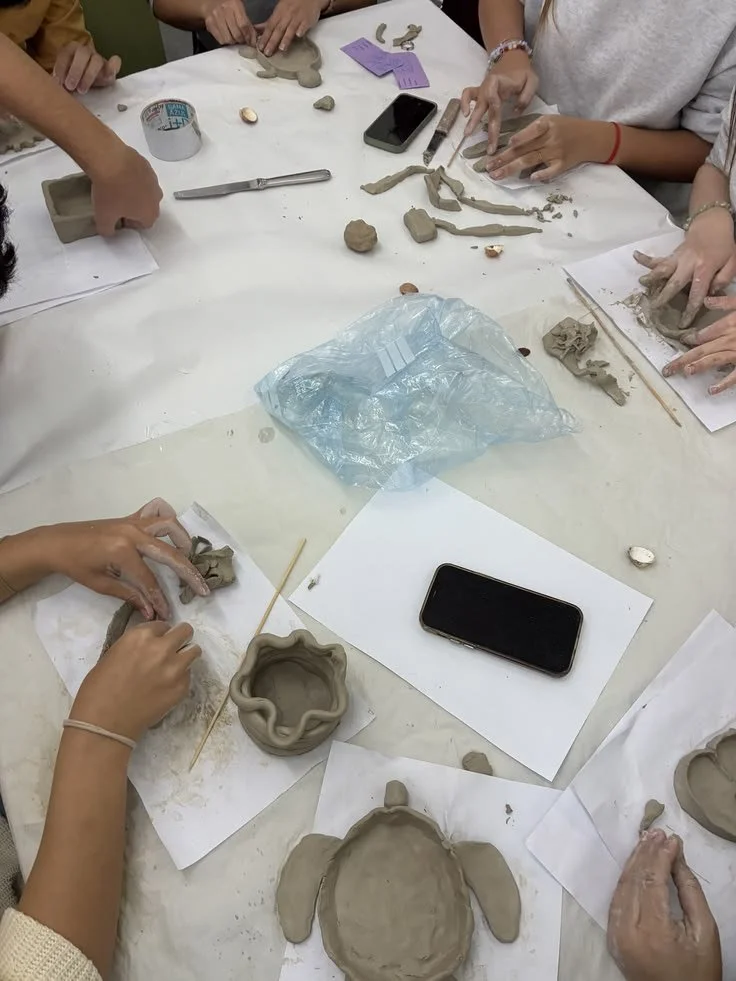
This small-group creative wellbeing programme supports young people (ages 13–17) who may find mainstream education challenging, overwhelming, or unsuitable. Through hands-on, engaging art-based sessions, participants are given a safe and flexible space to explore their emotions, build confidence, and develop practical life skills.
Sessions combine creative expression, movement, and guided reflection, allowing young people to process experiences in a non-pressured, accessible way. With a maximum of 6 participants, the programme ensures individual attention, strong relationships, and a calm, supportive environment.
This approach is particularly effective for young people who:
Struggle with traditional talk-based support
Experience anxiety, low confidence, or disengagement
Benefit from practical, creative, and movement-based learning
The programme focuses on strengths, not deficits, helping young people reconnect with their abilities, build resilience, and feel more in control of themselves and their future.
💡 Why these programmes work specifically for AP & Home Education:
No reliance on academic ability
Flexible, low-pressure structure
Respects autonomy and choice
Builds trust gradually
Focuses on real-life skills, not school performance
🌟 KEY BENEFITS
Emotional & Mental Health
Improves emotional awareness and regulation
Reduces anxiety through creative and sensory techniques
Provides safe, non-verbal ways to express feelings
Engagement & Motivation
Hands-on, practical sessions increase participation
No academic pressure — success is accessible to all
Builds routine and positive associations with learning
Confidence & Identity
Encourages self-expression and identity development
Highlights personal strengths and achievements
Supports positive self-image beyond academic ability
Social Skills (where appropriate)
Small groups support safe interaction
Builds communication and trust gradually
Encourages cooperation without pressure
Life Skills Development
Problem-solving through creative tasks
Emotional coping strategies
Independence and self-reflection